Landscaping Catford: Creating Beautiful, Practical Outdoor Spaces for Modern Living
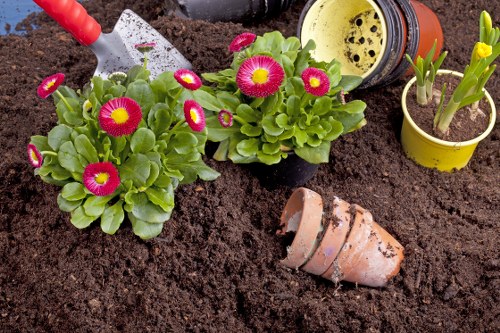 Landscaping Catford is about much more than making a garden look attractive. In a busy and well-connected part of South East London, outdoor spaces often need to work hard as well as look inviting. A well-planned garden can offer a calm place to relax, a functional area for family life, a welcoming setting for entertaining, and a valuable extension of the home. Whether the space is a compact front garden, a terraced back yard, or a larger suburban plot, thoughtful landscape design can transform it into something both practical and beautiful.
Many homeowners in Catford are now looking for outdoor areas that reflect their lifestyle rather than simply following a standard layout. This is where Catford landscaping becomes especially important. It brings together design, structure, planting, surface materials, and long-term usability in a way that suits the character of the property. Some gardens need more privacy, others need easier maintenance, and many benefit from a layout that makes the most of limited space. A successful landscape balances these needs while still feeling natural, elegant, and easy to enjoy throughout the year.
 The appeal of landscaping in Catford lies in its versatility. It can be modern and minimal, soft and traditional, family-friendly, wildlife-focused, or a combination of all these ideas. The best outdoor spaces are usually not the most complicated ones, but the ones that respond well to the conditions of the site and the lifestyle of the people using them. Soil quality, shade, drainage, existing structures, and local climate all influence the final result. A well-considered design takes these factors into account before any planting or hard landscaping begins.
Why Landscaping Matters in Catford Homes
Homes in Catford often vary widely in style, from period terraces and semi-detached houses to newer developments and converted properties. This variety means that no single landscaping style fits every home. Instead, outdoor design needs to be flexible. The right approach can help connect the house to the garden, improve the use of outdoor space, and make a property feel more complete. A simple paved area, a layered border, or a carefully shaped lawn may seem small on its own, but together these elements can dramatically improve day-to-day living.
One of the key reasons people invest in landscaping Catford gardens is to create order and purpose. Many outdoor spaces begin with uneven surfaces, little privacy, or tired planting that no longer suits the home. A good landscape plan brings structure to the area, helping to define where people walk, sit, play, plant, and relax. This structure does not need to feel rigid. In fact, the best garden layouts often feel easy and natural while still being carefully organised behind the scenes.
There is also a growing appreciation for outdoor wellbeing. Gardens are increasingly seen as spaces that support mental rest, social connection, and time in nature. In an urban environment, even a modest garden can become a private retreat. Thoughtful landscaping in Catford can introduce greenery, soften hard edges, reduce visual clutter, and create a more peaceful atmosphere. With the right mix of surfaces, planting, and features, a garden can become a place where people genuinely want to spend time.
Designing a Garden That Suits the Property
Every garden has its own strengths and challenges, and the most effective Catford landscaping services start by understanding those conditions. A narrow garden may benefit from clear lines and vertical planting. A shaded area might need selected species that thrive with less direct sunlight. A sloped garden may require terracing, steps, or retaining features. Rather than forcing a design onto the space, good landscaping works with the property to bring out its best qualities.
Scale is another important factor. In smaller gardens, too many features can make the space feel crowded. In larger gardens, the problem is often the opposite: without enough structure, the area can feel empty or disconnected. A successful design uses proportion carefully. Paths, seating zones, planting beds, screens, and decorative elements should all feel balanced. This is one reason why Catford garden landscaping can be so effective when approached with a clear plan rather than a collection of separate ideas.
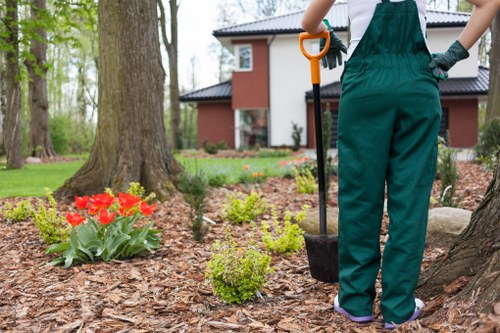 Materials also play a major role. Brick, gravel, porcelain, natural stone, timber, and metal each create a different atmosphere. In a local setting such as Catford, material choices often need to suit both the house style and the surrounding streetscape. Traditional homes may benefit from warm, classic textures, while contemporary properties might look best with crisp, clean finishes. Even within one garden, combining materials carefully can create visual contrast and subtle transitions between different areas.
Blending Hard Landscaping and Soft Landscaping
One of the most important aspects of landscape design in Catford is the balance between hard and soft landscaping. Hard landscaping refers to the built elements of the garden: paving, walls, edging, steps, fencing, raised beds, and other structural features. Soft landscaping includes plants, lawns, trees, shrubs, and flowers. When these two parts work together, the result feels complete, useful, and visually appealing.
Hard landscaping provides the framework. It shapes movement, defines spaces, and makes the garden practical in all seasons. A patio can create a dining area, a pathway can connect different sections, and a retaining wall can add level changes or solve awkward gradients. Soft landscaping then brings life and texture to the structure. Plants soften edges, add movement in the wind, attract wildlife, and change with the seasons. The interplay between these elements gives a garden depth and personality.
Well-planned landscaping in Catford often uses hard surfaces sparingly but purposefully. Too much paving can make a garden feel harsh, while too little structure can leave it messy or difficult to maintain. The key is to create enough surface area for real use while preserving a sense of planting and growth. This balance is especially valuable for families, entertainers, and anyone seeking a garden that remains attractive without becoming high-maintenance.
Planting Ideas That Work Well in Urban Gardens
Planting is one of the most rewarding parts of any garden transformation. In Catford, planting choices often need to handle variable conditions, including shade from neighbouring buildings, patches of sunlight, and soil that may be compacted or uneven. The best planting schemes are not based on trends alone. They are chosen to suit the site and to provide interest across the seasons. Evergreen shrubs, flowering perennials, ornamental grasses, and small trees can all contribute to a layered, lasting design.
For many homeowners, a strong planting scheme is the feature that changes a garden from functional to memorable. Well-chosen plants create movement, colour, scent, and seasonal variation. They can also help with privacy, guide views, and make a space feel fuller without overcrowding it. In Landscaping Catford, planting often needs to be resilient as well as beautiful, especially in gardens that are used heavily or exposed to urban conditions. Drought-tolerant plants, pollinator-friendly species, and evergreen structure can all be useful parts of a balanced scheme.
The form of the planting matters as much as the species themselves. Repetition can create calm, while contrast can add excitement. Tall plants can frame an area, low plants can define edges, and mixed borders can create layered depth. Using carefully arranged planting design, a garden can feel larger, richer, and more dynamic. Even a small space can become striking when planting is used with confidence and intention.
Creating Outdoor Spaces for Family Life
 A family garden needs to be more than decorative. It should support everyday routines, safe movement, play, relaxation, and practical storage. In many homes, the garden is used for everything from children’s activities to summer dining and quiet morning coffee. Landscaping Catford projects often succeed when the design recognises these real-life needs and makes room for them without sacrificing style.
Durable materials are especially important in a family setting. Surfaces should be safe, easy to clean, and suited to frequent use. Lawns may be valuable where children or pets need open space, but they are not the only option. Decking, composite platforms, gravel, and paved areas can all play a role depending on how the garden is used. The best outdoor spaces often include distinct zones: a place to sit, a place to move, a place to plant, and perhaps a quieter corner for reflection.
Storage and maintenance also matter. Families often benefit from integrated solutions such as benches with hidden storage, neatly positioned sheds, or discreet bin screens. A successful Catford garden design considers not only how the garden looks on completion, but how easy it will be to live with over time. The aim is to create an outdoor environment that feels enjoyable rather than demanding.
Low-Maintenance Landscaping Without Losing Character
Many people searching for landscaping Catford ideas are interested in gardens that are attractive but easy to care for. This does not mean the space should be plain or lifeless. Instead, it means choosing features that reduce unnecessary upkeep while still creating a rich and welcoming atmosphere. Smart planting choices, well-chosen materials, and clear layout planning can all help reduce maintenance without compromising visual appeal.
Low-maintenance design often starts with simplifying the structure of the garden. Too many small beds, awkward corners, or unnecessary feature elements can make upkeep more difficult. By creating cleaner lines and using a limited number of materials, the garden becomes easier to manage. Planting can then be selected for resilience, with an emphasis on evergreen interest, hardy perennials, and shrubs that keep their shape well. Mulching can also help suppress weeds and support moisture retention.
Another valuable strategy is to design for long-term performance rather than quick effect alone. For example, a well-prepared border with healthy soil and appropriate plant spacing will usually need less intervention later. Similarly, a properly installed paved area will remain more usable and visually neat than a patchwork of temporary solutions. This practical approach to Catford landscaping helps ensure that the garden remains attractive through changing seasons and changing lifestyles.
How Landscaping Improves Property Appearance
A garden often creates the first impression of a property, and that impression can be powerful. Neat boundaries, attractive planting, and a coherent layout make a home feel cared for and thoughtfully presented. For many homeowners, landscaping Catford is therefore both a lifestyle improvement and an aesthetic investment. It can help the entire property feel more polished, more welcoming, and more in tune with its surroundings.
Front gardens, in particular, can have a significant impact. Even a small frontage can be improved with tidy surfacing, low planting, and a clear route to the entrance. Rather than treating this space as purely functional, it can be designed as a visually pleasing introduction to the home. At the rear, a well-arranged garden can extend the sense of living space and create a more enjoyable connection between indoors and outdoors. The relationship between home and garden becomes smoother, which can make daily life feel more comfortable.
Landscape improvements in Catford also contribute to a sense of consistency. When the garden style matches the property and the needs of the occupants, everything feels more settled. This does not require a dramatic transformation. Sometimes small changes, carried out with care, produce the most satisfying results. New edges, better planting, refreshed paving, and improved flow can all make a major difference.
Seasonal Interest and Year-Round Appeal
One of the hallmarks of successful Catford landscaping is the ability to look appealing in every season. Many gardens look good for a short period and then lose their interest. A stronger approach is to create a layered design that offers something at different times of year. Spring bulbs, summer flowers, autumn colour, winter stems, and evergreen structure all play a role in keeping the space attractive across the calendar.
Seasonal design is not just about flowers. Bark texture, leaf shape, berry colour, architectural grasses, and the outline of trees all contribute to the garden’s changing appearance. A good garden feels alive because it evolves. Even in colder months, a thoughtful planting scheme can maintain structure and beauty. This is especially useful in urban settings where winter gardens can otherwise feel empty or overlooked.
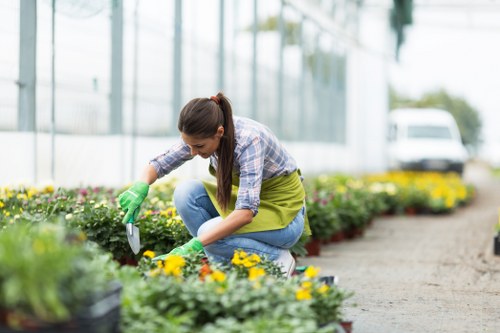 In a well-balanced landscaped Catford garden, every season has a place. The design might offer early blossoms, mid-summer lushness, autumn richness, and winter clarity. This sense of rhythm keeps the garden engaging over the long term and rewards regular use, even when the weather is less predictable.
Outdoor Living and Entertaining
Modern gardens are increasingly used as outdoor living spaces. They are places to eat, talk, relax, work, and host friends. For this reason, landscaping in Catford often includes areas designed specifically for comfort and sociability. A seating zone with enough space to move around, a surface that feels pleasant underfoot, and planting that provides privacy can all help create a more enjoyable experience.
Lighting can also play an important part in making a garden usable after dark. Subtle illumination along pathways, around steps, or near seating areas adds both safety and atmosphere. Combined with planting and surface design, lighting helps extend the usable hours of the garden. In homes where outdoor entertaining is important, these details can make the difference between a space that is occasionally used and one that becomes central to everyday life.
Thoughtful layout is essential here. People should be able to move naturally from house to garden, from cooking to dining, and from gathering to quieter corners. A good Catford garden landscape makes this flow feel easy. It supports real life without feeling over-designed, which is part of its lasting appeal.
Sustainable Landscaping Choices
Sustainability is becoming increasingly important in outdoor design, and landscaping Catford can support that goal in many practical ways. Choosing long-lasting materials, improving soil health, selecting appropriate plants, and reducing waste all contribute to a more responsible garden. A sustainable garden is not only better for the environment but often easier to maintain and more resilient in the long term.
Plant selection plays a major role. Native and wildlife-friendly species can support pollinators and birds while also fitting naturally into the local environment. Rainwater management is another valuable consideration. Surfaces that allow drainage, planting areas that absorb water, and sensible grading can all reduce runoff problems. Composting, mulching, and reuse of existing materials can also make a meaningful difference.
Sustainability does not mean sacrificing style. In fact, many environmentally conscious gardens are among the most attractive. Natural textures, layered planting, and thoughtful design often create a softer and more timeless feel than overly engineered spaces. When landscaping in Catford is approached with environmental care, the result can be both elegant and responsible.
Bringing All the Elements Together
A successful garden is usually the result of many small decisions working together. Layout, materials, planting, maintenance, scale, and atmosphere all contribute to the final experience. Landscaping Catford is especially effective when these elements are considered as a whole rather than separately. A garden that feels cohesive is easier to enjoy and more satisfying to live with.
It is also important that the space reflects the personality and practical needs of the homeowner. Some people want a quiet retreat, others want a lively family area, and others want a garden that offers year-round colour with minimal effort. There is no single correct answer. The most successful Catford landscaping ideas are those that combine good design principles with an understanding of how the space will actually be used.
Over time, the best gardens become part of the home’s identity. They soften the boundaries between inside and outside, offer room to breathe, and provide a living setting for everyday life. Through considered planning and well-chosen features, landscape design in Catford can turn even modest outdoor spaces into places of real value and pleasure.
A Lasting Investment in Style and Comfort
Investing in Landscaping Catford is ultimately an investment in comfort, beauty, and long-term usability. A garden that has been carefully designed will continue to reward its owner with improved appearance, better function, and a stronger connection to the outdoors. It can make a property feel more complete, provide a calmer setting for daily life, and support a range of activities across the year.
The most effective gardens are rarely the most complicated. They are the ones that feel intentional, balanced, and suited to their setting. Whether the goal is a welcoming front garden, a private retreat, a family-friendly layout, or a more sustainable outdoor space, thoughtful Catford garden landscaping can deliver lasting value. With the right combination of structure, planting, and finish, the result can be both practical and inspiring.
For homeowners seeking a space that looks good, works well, and feels genuinely connected to the home, landscaping offers a powerful opportunity. In Catford, where gardens vary in size and style but always matter to daily living, a well-designed outdoor space can become one of the most appreciated features of the property. It is not just about appearance; it is about creating a setting that supports everyday life with beauty, comfort, and purpose.