Health and Safety Policy for Landscaping Catford
 Health and safety is central to every landscaping project, from small garden improvements to larger outdoor works. This policy sets out how Landscaping Catford manages risks, protects workers and the public, and maintains a safe working environment across all tasks. It applies to planning, site preparation, material handling, plant use, maintenance work, and the control of hazardous situations.
Our approach is based on prevention, supervision, and clear responsibility. We expect all team members to follow safe systems of work, use equipment correctly, and report concerns without delay. Risk awareness is essential in landscaping because work often involves uneven ground, moving machinery, sharp tools, manual handling, and changing weather conditions. A safe site begins with careful preparation and continues throughout the job.
 Before any work starts, a site-specific assessment is carried out to identify hazards and decide on suitable controls. This includes checking access routes, underground services where relevant, surface conditions, nearby pedestrians, traffic movement, and possible environmental risks. Landscaping Catford reviews each task so that the right equipment, staffing levels, and protective measures are in place before operations begin.
Responsibilities and Safe Working Standards
Managers and supervisors are responsible for making sure that work is planned safely and that employees understand the risks involved. Workers must take reasonable care for their own safety and the safety of others. Everyone on site is expected to use personal protective equipment where required, keep work areas tidy, and stop work if conditions become unsafe.
Training is provided for tasks that require specific competence, including the use of machinery, lifting techniques, hazard recognition, and safe tool handling. Only trained and authorised personnel may operate powered equipment. Any defects, damage, or unsafe behaviour must be reported immediately. This helps prevent incidents and supports a consistent standard of safe landscaping practice.
The company also maintains a strict approach to housekeeping. Tools should be stored securely, materials stacked safely, and waste removed promptly. Slips, trips, and falls are common risks in outdoor environments, especially when surfaces are wet, muddy, or cluttered. Good organisation reduces these risks and helps maintain a safe workspace throughout the day.
Equipment, Materials, and Manual Handling
 Landscaping activities often require the use of mowers, trimmers, cutters, digging tools, and transport equipment. All machinery must be checked before use and maintained in safe condition. Guards, brakes, switches, and safety devices must not be altered or bypassed. Any item found to be faulty must be removed from service until repaired or replaced.
Manual handling is managed carefully because lifting soil, paving materials, plants, and equipment can cause strain or injury. Workers are encouraged to assess each lift, use mechanical aids where practical, and ask for assistance when loads are heavy or awkward. Proper posture, stable footing, and controlled movements help reduce the chance of musculoskeletal injury.
Materials such as fuels, oils, fertilisers, and other substances are stored and used in line with safe handling requirements. Containers must be clearly labelled, and spills must be contained and cleaned promptly. Where a substance may present a hazard, suitable protective measures are applied. Careful handling protects workers, customers, and the surrounding environment.
Site Control, Public Protection, and Emergency Response
Because landscaping work may take place near homes, paths, roads, or shared spaces, public protection is a key priority. Work areas should be separated where necessary using barriers, signs, or other controls. Machinery should be operated with awareness of nearby people, and materials should never be left where they create a hazard for others. Noise, dust, and debris are managed to reduce inconvenience and risk.
Weather conditions can affect safety significantly. Strong wind, heavy rain, ice, or poor visibility may require work to be delayed, adjusted, or stopped. Supervisors assess whether conditions remain suitable for safe operations, and workers are expected to follow instructions without exception. This flexible approach helps prevent injuries and protects the quality of the work.
Emergency procedures are kept simple, clear, and accessible. In the event of injury, fire, plant failure, or other serious incident, workers must make the area safe where possible and alert the appropriate person immediately. First aid arrangements are maintained, and incidents are recorded and reviewed so that lessons can be learned and future risks reduced.
Review and Continuous Improvement
 Health and safety performance is reviewed regularly to ensure the policy remains effective. Inspections, incident reports, and daily site observations are used to identify trends and improve controls. If a task, tool, or method creates unnecessary risk, it is reassessed and changed. Continuous improvement is part of our safety culture and supports reliable, responsible landscaping services.
Ongoing Commitments
We are committed to providing a safe workplace, suitable equipment, and clear expectations for all personnel. Everyone involved in the work is expected to contribute to safety through attention, communication, and good judgement. The aim is not only to meet minimum standards, but to build a working environment where hazards are controlled before they cause harm.
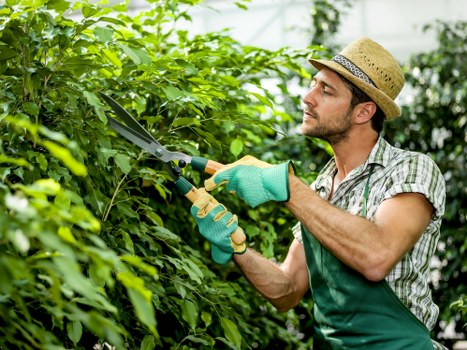 This policy is designed to support safe, professional landscaping operations and to protect all those affected by our work. By following structured procedures, maintaining awareness, and respecting safe practices, Landscaping Catford delivers outdoor work with health and safety at the centre of every decision.