Soft landscaping in Catford
If you are looking for soft landscaping in Catford, you are probably planning more than just a quick tidy-up. You may want a garden that feels easier to use, looks cared for all year round, and suits the way you live. In Catford, gardens and outdoor spaces often need a practical approach: some properties have compact front gardens, others have long rear plots, and many homes sit on sloped or shaded ground that needs the right planting and layout choices. A well-planned soft landscaping service can make a noticeable difference without requiring a full rebuild of the space.
Soft landscaping covers the living, natural parts of your garden or outdoor area. That includes planting, turfing, soil preparation, beds and borders, shrubs, hedging, mulching, and the finishing touches that make a space feel balanced and welcoming. It is often the stage that brings shape and colour to a garden after hard landscaping features such as paving, fencing, decking, paths, or walls are already in place. For local homeowners, landlords, housing associations, and businesses in Catford, this is the part of the project that turns an empty or tired space into something enjoyable and useful.
Whether you want a fresh lawn for the family, low-maintenance planting for a busy lifestyle, or smarter greenery for a commercial frontage, the right team can help you choose materials and planting that work for Catford’s conditions. That means thinking about light levels, drainage, privacy, local access, and how much day-to-day care you want to do. Done well, soft landscaping should be attractive, practical, and suited to the property rather than copied from a one-size-fits-all plan.
Why soft landscaping matters for Catford properties
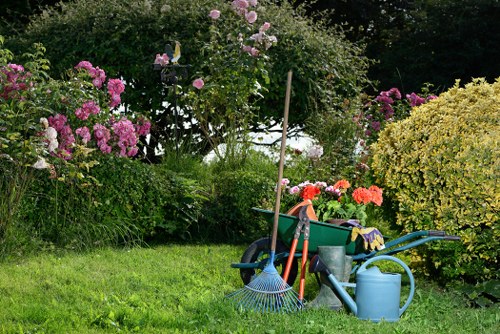
Catford has a wide mix of homes, from Victorian and Edwardian terraces to post-war houses, maisonettes, flats with shared outdoor areas, and newer developments. That variety matters because every outdoor space behaves differently. A narrow courtyard, for example, needs a different planting style from a family garden with room for lawn and borders. A shop frontage or office entrance needs something tidy and resilient, while a rental property may need a simpler design that remains manageable between tenancies.
Soft landscaping is often the most cost-effective way to improve an outside area without overcomplicating the project. New planting can soften hard edges, make a garden feel larger, and help structure awkward layouts. Turf and seeded lawn areas can create usable green space for children, pets, or customers. Shrubs and hedging can add privacy, screen utility areas, and break up blank boundaries. If you have recently had paving, fencing, or drainage work completed, soft landscaping is the stage that makes everything feel complete.
In Catford, local conditions also play a part. Some plots get strong sun in summer, while others sit in shade from neighbouring buildings or mature trees. Some gardens have compacted soil or poor drainage after years of neglect. Others simply need a more thoughtful planting scheme to reduce maintenance. A local team understands how to work with those realities, rather than treating the project as if it were on a blank site.
What is included in soft landscaping?
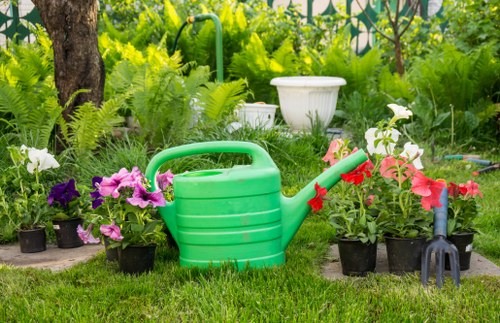
Soft landscaping services can be tailored to suit both small and large projects. For many customers, the work starts with preparing the ground properly so that new planting or turf has the best chance of thriving. That can include clearing away weeds, old roots, rubble, leftover builders’ materials, dead plants, and compacted surface debris. Good ground preparation is essential, because even attractive planting will struggle if the soil is not ready.
Common elements of soft landscaping in Catford include:
- Planting design and installation for seasonal colour, evergreen structure, or low-maintenance borders
- New turfing for lawns that need to look neat and become usable quickly
- Seeding for budget-conscious lawn creation where time is less of a concern
- Shrub and hedge planting for privacy, boundary definition, and texture
- Border creation and bed renewal using compost, topsoil, mulch, and chosen plants
- Soil improvement to support healthier growth and better drainage
- Seasonal refreshes for containers, entrances, and front gardens
Soft landscaping in Catford is not limited to planting. It is about creating a liveable outdoor environment that suits the property and the people who use it. That could mean a welcoming front garden, a family-friendly lawn, an easy-care courtyard, or a professional-looking commercial entrance. The best results happen when layout, plant choice, and maintenance needs are considered together.
Soft landscaping for homes, landlords, and businesses
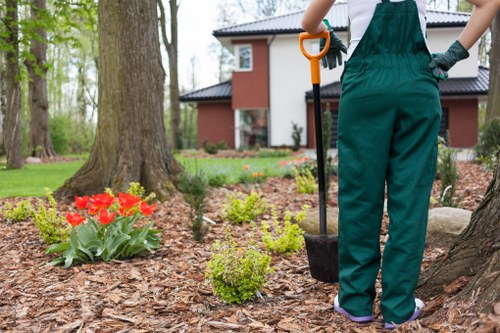
Local customers in Catford often need different solutions depending on how the space is used. A homeowner may want a garden that feels calm and attractive for weekends and family time. A landlord may need durable planting and tidy borders that hold up well between lets. A business may want an entrance that looks clean and cared for every day with minimal disruption to staff and visitors. The advantage of using a local team is that these different needs can be handled with practical planning.
For residential gardens, the focus is often on usability and appearance. That could mean creating a lawn area for children, refreshing borders with shrubs and perennials, or improving privacy with hedging and screening plants. For flats or shared outdoor spaces, soft landscaping can help define communal areas and improve the overall feel without taking away space. In commercial settings, a neat and well-maintained soft landscape can support a good first impression and help a property appear organised and professional.
There is also a big benefit in choosing a service that understands local access and parking challenges. Around Catford, some streets have limited parking, narrow access points, or rear garden entry that requires careful planning. Materials may need to be moved through side access, shared passageways, or small gates. A local landscaping team will usually be better placed to assess those practical issues early, reducing delays and avoiding unnecessary disruption.
How soft landscaping projects usually work
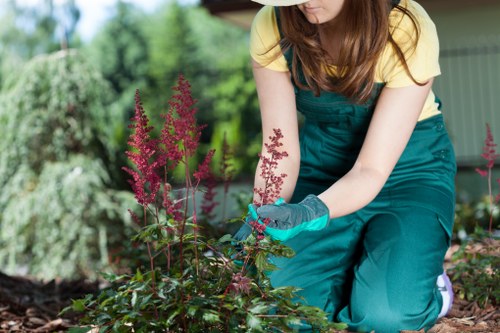
Every project is different, but most soft landscaping jobs follow a similar pattern. The process begins with understanding what you want from the space. Do you want a low-maintenance garden, a child-friendly lawn, better screening, more seasonal colour, or a more polished appearance for a business frontage? Once the purpose is clear, the site can be assessed and a suitable plan created. This is where local experience really matters, because a good plan should respond to the actual conditions of the property.
Typical stages may include:
- Initial assessment of the site, including soil condition, drainage, access, shade, and existing planting
- Clearance and preparation to remove waste, weeds, debris, and unwanted growth
- Ground improvement with topsoil, compost, or other treatments where needed
- Planting or turf installation based on the agreed layout and style
- Finishing work such as mulching, edging, or shaping borders
- Aftercare advice so you know how to help the new planting settle in
For customers who want a simple, tidy result, the plan may be straightforward. For more detailed projects, such as layered borders or planting schemes designed for colour across the seasons, it may involve more preparation and careful species selection. Either way, the aim is the same: to create a healthier, better-looking outdoor space that feels right for the property and easy to manage going forward.
Planting choices that work well in Catford

Planting is one of the most valuable parts of soft landscaping because it shapes how the garden feels throughout the year. The right plants can bring structure in winter, colour in spring and summer, and texture in autumn. They can also help solve practical problems such as overlooked boundaries, featureless lawns, awkward corners, or spaces that need some softening after building work.
Good planting choices depend on the site. A sunny front garden might suit low shrubs, ornamental grasses, and hardy perennials. A shady rear garden might need plants that tolerate lower light and stay looking fresh without constant attention. If privacy is important, evergreen shrubs or hedging may be ideal. If you want pollinator-friendly planting, a selection of flowering species can bring both colour and biodiversity to the space.
Here are some of the considerations a local team may discuss with you:
- Sun or shade exposure across different parts of the garden
- Drainage and whether the soil stays wet or dries quickly
- Maintenance level you are comfortable with
- Pet and child safety if the space is used regularly
- Privacy needs from neighbouring properties
- Year-round appearance rather than just one season of interest
If you are unsure what will work, it is often better to choose a flexible planting plan with a mix of evergreen structure and seasonal interest. That approach gives the garden a more finished feel while still keeping maintenance manageable.
Lawns, borders, and low-maintenance gardens
A lot of customers asking about soft landscaping in Catford are trying to solve one of three common problems: an exhausted lawn, messy borders, or a garden that is too much work to maintain. These are all very normal issues, especially when a property has been rented out, left unused for a while, or built on ground that has not been improved recently. The good news is that all three can usually be addressed with a sensible soft landscaping plan.
If your lawn is patchy, waterlogged, or overrun with weeds, it may be better to start again rather than keep repairing the same problems. A fresh turf installation can provide an immediate improvement, while seeding may be more suitable if you are happy to allow time for establishment. Borders can be redefined with better soil, mulch, and a planting mix that gives colour without constant replanting. For low-maintenance gardens, many Catford customers prefer evergreen structure, drought-tolerant planting, and a simple layout that is easy to keep tidy.
Low-maintenance does not have to mean bare or boring. With the right choice of shrubs, perennials, and ground cover, a garden can still feel attractive and well cared for. The trick is to reduce unnecessary complexity, choose plants that suit the site, and avoid designs that need constant attention to stay looking good.
Useful options for easier garden upkeep
- Mulched beds to suppress weeds and keep moisture in the soil
- Evergreen planting for structure throughout the year
- Defined edging to stop borders spreading into lawns or paths
- Hardier plant selections for exposed or busy areas
- Simple layouts that are easier to mow, prune, and maintain
Preparing your property for soft landscaping
Good preparation helps the project run smoothly and improves the final result. Before work starts, it helps to think about how you use the space, what you want to keep, and what should be removed. If there are existing plants you would like to retain, they may need protecting during clearance or redesign. If you have garden furniture, pots, children’s equipment, or access routes that need to stay clear, it is worth mentioning that in advance.
Here is a practical checklist for customers in Catford:
- Remove personal items, pots, toys, and lightweight furniture where possible
- Make sure gates, side passages, and access points can be opened fully
- Let the team know about narrow entrances, shared driveways, or parking limits
- Highlight any plants, trees, or features you want to keep
- Think about water access if the work involves turf or new planting
- Discuss any pets or access restrictions before the project begins
You do not need to prepare the ground yourself unless that has been specifically agreed. In many cases, the main value of hiring a professional service is that the heavy clearance, soil preparation, and layout work is managed for you. That saves time and helps avoid mistakes that can affect how well the planting settles in.
Contact us today to discuss the space you have and the outcome you want. If you are ready to improve a tired garden, refresh a front entrance, or bring order to an outdoor area that no longer works, request a free quote and take the first step toward a better-finished property.
Pricing factors and what affects the cost
What influences the final price?
People often ask what soft landscaping costs, but the honest answer is that the price depends on the size of the space, the condition of the site, and the type of work required. A small front garden with straightforward turfing and planting will usually be very different from a large rear garden that needs clearing, soil improvement, new borders, and layered planting. Rather than relying on rough assumptions, it is better to have the area assessed so the work can be priced fairly.
Common pricing factors include:
- Garden size and the amount of planting or turf required
- Clearance work such as removing weeds, roots, waste, or old materials
- Access difficulty including narrow entrances or limited parking nearby
- Soil condition and whether topsoil or improvement work is needed
- Plant selection depending on how mature, seasonal, or specialist the planting is
- Complexity of design if the project involves multiple beds, layers, or feature areas
For many Catford customers, the aim is to find a sensible balance between appearance, practicality, and upkeep. The cheapest option is not always the best value if it leaves you with a garden that is difficult to maintain or that needs extra work soon after completion. Likewise, a very elaborate planting scheme may not suit a property that needs a simpler solution. A local team can help you choose an approach that fits both your budget and your day-to-day use.
When a quotation is especially helpful
A proper site visit or detailed discussion is particularly useful if your garden has uneven ground, poor drainage, shared access, mature roots, or a mixture of hard and soft surfaces. These conditions can affect labour, materials, and scheduling, so getting the details right early tends to save time later.
Why choose a local team for soft landscaping in Catford?
Using a local company brings practical benefits that go beyond convenience. A team familiar with Catford and the surrounding South East London area is more likely to understand the common property layouts, access patterns, and garden challenges found locally. That might include narrow side returns, compact rear gardens, front spaces exposed to foot traffic, or shared entrances where care and planning matter.
Local knowledge also helps with plant selection. Some plants thrive better than others in gardens with shaded boundaries, urban exposure, or variable soil conditions. A local team can recommend options that make sense for the environment rather than using generic ideas that may not suit your particular space. This is especially useful if you want planting that looks good but does not demand constant intervention.
There is also a practical side to scheduling and communication. When a team works regularly in Catford, it is easier to plan around parking restrictions, service access, and the realities of local roads and residential streets. That can make the job feel smoother from the first visit to the final finish. For many customers, that reliability is just as important as the planting itself.
Choose a local service when you want:
- Better understanding of local properties and access conditions
- Planting suited to real site conditions, not guesswork
- A more practical approach to delivery, timing, and site setup
- A finished result that complements the property and surrounding area
Areas covered around Catford
Soft landscaping projects are often requested across Catford and the nearby neighbourhoods where gardens, frontages, and shared outdoor areas need attention. Local work may include properties close to Catford Broadway, Catford Bridge, Bellingham, Mountsfield Park, Rushey Green, Lewisham, Hither Green, Southend, and Forest Hill. The exact service area can vary, but the main point is that nearby locations often share similar kinds of outdoor space and access challenges.
This is useful for customers who need a team that can work across residential and commercial settings without needing lengthy travel or complicated planning. Whether the job is a family garden, a small rental property, a school perimeter, or an office entrance, the benefit of local experience is that the service is set up around the way the area actually works. That means practical scheduling, realistic site access planning, and materials chosen to suit the job rather than a generic template.
If your property sits just outside central Catford, it is still worth asking whether the work can be arranged. Many soft landscaping projects are suitable for nearby postcodes and surrounding districts, especially where the site conditions are similar. Book your service now if you are ready to transform an outdoor area and want a tailored approach that suits your property.
FAQs about soft landscaping
How is soft landscaping different from hard landscaping?
Hard landscaping includes the structural features of a garden such as paving, walls, fencing, driveways, and decking. Soft landscaping covers the living and natural elements, including turf, planting, soil, shrubs, and beds. Many projects use both, but soft landscaping is what gives the space colour, texture, and a more finished feel.
Can you help with small gardens and front gardens?
Yes. Small spaces can benefit hugely from the right planting choices and layout. In fact, compact Catford gardens often need the most careful planning because every square metre counts. A well-designed soft landscaping plan can make a small space feel less cluttered and more usable.
What if my garden has poor soil or drainage?
That is very common in urban gardens. The solution may involve soil improvement, better border preparation, raised planting areas, or choosing plants that tolerate the site conditions. If the ground is heavily compacted or consistently wet, these issues should be looked at before planting begins.
Do I need to choose the plants myself?
Not necessarily. Some customers know exactly what they want, while others prefer suggestions. A good soft landscaping service can work from your preferences, maintenance expectations, and the conditions of the site to recommend suitable options.
How long does a soft landscaping project take?
It depends on the size and complexity of the work. A simple turfing and border refresh may be quicker than a full planting scheme with clearance and soil preparation. The condition of access, weather, and the amount of preparation needed can all affect timing.
Can soft landscaping improve the look of a rental property?
Absolutely. A tidy front garden, simple planting scheme, and manageable lawn area can make a rental property feel more cared for and easier to maintain between occupancies. Landlords often choose robust, low-maintenance planting for this reason.
What should I do before the work starts?
Clear personal belongings if possible, confirm access arrangements, and point out anything that needs protecting or keeping. If there are parking or access limitations, mention those early so the team can plan accordingly.
Ready to improve your outdoor space?
If you are thinking about soft landscaping in Catford, now is a good time to plan a space that works better for you. Whether the goal is a smarter front garden, a fresh lawn, a more private boundary, or a low-maintenance planting scheme, the right approach can make your property feel more welcoming and easier to enjoy.
Local customers often find that once the living elements of a garden are improved, the whole property feels more complete. The outdoor space becomes easier to use, more pleasant to look at, and less of a chore to maintain. That is true for family homes, terraces, flats, rental properties, and commercial premises alike.
Contact us today to discuss your plans, ask questions about what would suit your garden, or request a free quote for soft landscaping work in and around Catford. If you are ready to move forward, book your service now and take the next step toward an outdoor space that feels much better suited to your property and lifestyle.