Garden Design and Build in Catford
If you are looking for garden design and build in Catford, you may already know that a well-planned outdoor space can change how a home or business feels day to day. In an area like Catford, where properties range from classic terraces and post-war houses to flats with compact courtyards and shared outside areas, good garden planning makes a real difference. The right design can turn awkward ground into a place for relaxing, entertaining, storing bikes, growing plants, or simply making a property feel more finished and cared for.
Local customers often want more than planting alone. They want a garden that works for family life, busy routines, pets, privacy, and year-round use. They may also need practical help with drainage, levels, access, paving, fencing, raised beds, lawn areas, and robust planting that suits London conditions. A thoughtful garden build brings those pieces together so the result feels intentional rather than pieced together over time.
Whether you are improving a front garden in a residential street, creating a low-maintenance rear space for a rental property, or upgrading an outdoor area for a café, nursery, office, or community premises, the process should be shaped around how the space is actually used. That is why garden design and build Catford services are so useful: they combine planning, construction, and finishing touches into one joined-up approach.
Why Catford gardens need a practical design-and-build approach
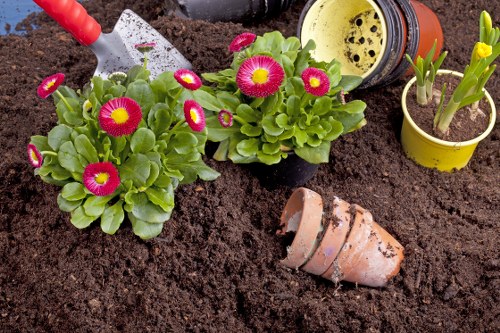
Catford has a mix of property styles and plot sizes, which means there is no single solution that fits every outdoor space. Some homes have narrow side returns, some have long rear gardens, and some have modest yards where every metre counts. A good design starts by understanding the shape of the space, the way light moves across it, and the way people move through it. That is especially important in local streets where access can be tight and storage for materials needs to be planned carefully.
Many gardens in Catford also need to cope with practical issues that affect long-term enjoyment. Uneven ground, poor drainage, tired fencing, patchy grass, or confusing layouts can make even a decent-sized garden feel difficult to use. A well-built design can solve these issues while improving the overall appearance. It is not only about making a garden look better; it is about making it easier to maintain, safer to use, and more enjoyable in everyday life.
Local knowledge matters when choosing materials and planning construction. In London gardens, weather exposure, shade from neighbouring buildings, and limited on-site storage all influence what will work best. A team familiar with Catford and the surrounding area can plan around these realities more effectively, from the first measure-up to the final clean-down.
What a garden design and build service can include
A professional service usually covers the full journey from concept to completion. This can be especially helpful for homeowners who want one team to manage the work rather than coordinating multiple trades themselves.
- Initial site visit and discussion of goals
- Assessment of layout, levels, light, privacy, and access
- Concept ideas for structure, planting, and materials
- Ground preparation and clearance
- Hard landscaping such as paving, paths, edging, and patios
- Soft landscaping including turfing, planting, and beds
- Fencing, screening, and boundary improvements
- Drainage and practical solutions for wet areas
- Finishing details such as lighting, planters, and decorative features
Some customers want a complete transformation; others want phased garden improvements. Both are possible. The right approach depends on budget, timing, the current condition of the site, and how quickly the space needs to be usable. A flexible design-and-build service can accommodate a full redesign or a more modest but still meaningful update.
Designed around the way you live and use the space

Good outdoor design begins with real-life needs. A family in Catford may need a lawn for children, durable seating space, and tidy storage for garden toys. A couple may prefer a stylish patio with low-maintenance planting and lighting for evening use. A landlord or property manager may want a simple, durable layout that looks smart and is easier to maintain between tenancies. A business may need a professional frontage or rear breakout area that feels welcoming and tidy.
That is why design decisions should be made with purpose. For example, a patio near the house can create a natural extension of the home, while a path can improve movement through a long garden. Raised beds can help define spaces and make planting more accessible. Screening can improve privacy without making a garden feel enclosed. Every element should have a job to do, whether that job is visual, functional, or both.
In many Catford gardens, the best result comes from balancing practicality and atmosphere. A space can be robust enough for daily life while still feeling calm and attractive. This is often achieved by combining hard landscaping with carefully chosen planting, so the structure of the garden is strong but the overall feel remains soft and welcoming.
Garden styles popular with local customers
Different homes suit different layouts, but a few styles come up often in local projects:
- Low-maintenance contemporary gardens with simple paving, clean edges, and restrained planting.
- Family-friendly gardens with lawn, play space, seating, and durable surfaces.
- Urban courtyard gardens designed to make small spaces feel larger and brighter.
- Traditional gardens with borders, lawn, shrubs, and natural-looking materials.
- Practical rental-property gardens built for ease of care and long-lasting appearance.
These are not fixed rules, but they are helpful starting points. The best gardens in Catford are often those that reflect the character of the property while meeting everyday needs without unnecessary complexity.
How the garden design and build process works

A clear process helps the project feel manageable from the start. Most customers want to know what happens, when it happens, and how decisions are made along the way. A structured approach also helps reduce delays and avoids misunderstandings between design ideas and on-site construction.
The process normally begins with a discussion about how you want to use the space. This may include seating, entertaining, planting, pets, child-friendly areas, storage, drainage issues, or the need for a tidier front garden. Measurements, photos, and site observations are then used to form a practical plan. If needed, the design can focus on one section first and expand from there.
Once the layout is agreed, the build stage can begin. This often involves removing old materials, levelling the ground, setting out features, installing structures, and building the main surfaces. After that comes the softer detail: planting, finishing trims, and any final adjustments that make the garden feel complete. Good workmanship shows not just in the finished look, but in how well the garden performs months and years later.
Typical stages in a local project
Below is a simple outline of how many projects move forward:
- Consultation: discuss goals, style, budget range, and practical needs.
- Site assessment: look at access, ground conditions, drainage, and existing features.
- Design direction: agree the layout, materials, and planting approach.
- Preparation: clear the site, remove old materials, and prepare levels.
- Construction: install hard landscaping and structural elements.
- Planting and finishing: add borders, turf, decorative details, and tidy edges.
- Handover: walk through the finished space and discuss care and maintenance.
This kind of process is useful because it gives you a clear sense of progress and keeps the work moving in a logical order. It also helps the design stay aligned with the realities of the site rather than becoming purely decorative.
What is included in garden design and build work

Customers often want to know exactly what they are getting when they request garden design and build in Catford. The answer depends on the project, but the work often includes a mix of structural, practical, and decorative elements. The aim is to create a garden that looks good, functions well, and is appropriate for the property type.
Hard landscaping forms the backbone of many projects. This can include patios, paths, retaining edges, steps, sleeper features, and raised planters. These elements shape the use of the garden and help manage levels or break up larger spaces into separate zones. Quality materials and careful installation are essential, especially where surfaces need to stay stable and attractive over time.
Soft landscaping adds the life and character. Turfing, shrubs, perennials, climbers, and seasonal planting can soften the structure and make a garden feel complete. For customers who want a simpler solution, a more restrained planting plan may be best. For others, a fuller planting scheme can add colour, privacy, texture, and interest throughout the year.
Examples of features that may be included
- New patios and seating areas
- Timber or composite decking, where suitable
- Fencing and boundary screens
- Garden paths and stepping routes
- Raised beds and planters
- Lawn installation or lawn replacement
- Tree and shrub planting
- Decorative gravel and mulched beds
- Outdoor lighting provision, where part of the project
- Storage solutions for bins, tools, or bikes
Not every garden needs everything. The best designs are often the most appropriate ones, not the most complicated ones. A skilled team helps you prioritise what will make the biggest difference for your space and budget.
Local considerations: access, parking, and working in Catford

One of the biggest advantages of using a local team is practical familiarity with the area. Catford includes busy residential streets, homes with limited front access, and streets where parking can be challenging. Those factors affect how materials are delivered, where tools are stored, and how work is staged during the day. A local service that understands these issues can plan more efficiently and reduce disruption.
Access matters just as much as design. Narrow side passages, shared walkways, or rear-only access can all influence how a project is carried out. Good planning ensures materials are moved safely, the site stays reasonably tidy, and the work can continue without unnecessary delays. This is especially relevant for garden build work in terraced streets and compact urban plots where space is at a premium.
Nearby areas such as Bellingham, Forest Hill, Hither Green, Downham, Brockley, Lewisham, and Honor Oak often share similar site conditions and property styles. That means a local garden contractor working in Catford can bring useful experience from neighbouring streets and projects, while still tailoring the result to the specific site in front of them.
Residential and commercial customers in Catford
Garden design and build work is not just for private houses. Local businesses and organisations may also need outdoor improvements for customers, staff, residents, or visitors. Commercial and community spaces often benefit from low-maintenance layouts that stay presentable and are easy to care for. In many cases, a simple but well-built scheme is more effective than an elaborate one.
- Homeowners: front and rear garden makeovers, family layouts, and private seating areas.
- Landlords and managing agents: durable, tidy solutions that support easy upkeep.
- Businesses: entrance areas, courtyards, and outdoor spaces that feel professional.
- Community premises: usable areas for planting, seating, or practical access.
Whatever the property type, the aim is to create a space that fits the setting and is realistic to maintain. A garden should feel like an asset, not a burden.
Why choose a local company for garden design and build in Catford
Choosing a local company can make the whole process smoother. Local teams understand common property layouts, how weather and shade can affect planting, and how to plan for access in built-up areas. They are also more likely to suggest materials and layouts that work for local conditions rather than generic solutions that may not suit the site.
A nearby service can also be more responsive when it comes to planning visits, follow-up questions, and on-site coordination. For customers balancing work, family life, or property management responsibilities, that kind of practical support is valuable. It helps reduce stress and makes it easier to keep the project moving.
Local experience also helps when thinking about style. Catford homes can benefit from designs that respect the character of the street while improving comfort and usability. That could mean a neat front garden that improves kerb appeal, or a rear garden redesign that creates a private outdoor room without feeling overly formal.
Benefits of a design-and-build approach
Customers often prefer design and build because it joins the creative and practical sides of the project together. Instead of passing ideas between different providers, one team can keep the layout, materials, and construction aligned from start to finish. This reduces confusion and helps the final result feel more coherent.
- One joined-up plan from concept to completion
- Better coordination of materials and labour
- More practical solutions for difficult sites
- Clearer decision-making during the project
- A finish that looks intentional rather than improvised
For many customers, this is the most efficient way to achieve a garden that feels both attractive and useful.
Pricing factors: what can influence the cost of a garden project
People naturally want to understand what affects the cost of garden design and build work. While exact prices vary from project to project, several factors usually influence the overall budget. Knowing these in advance helps you plan more realistically and decide where to spend and where to simplify.
Size is one obvious factor, but it is not the only one. A small garden with awkward access or extensive groundwork can take more effort than a larger, straightforward site. Material choice also matters. Natural stone, porcelain paving, timber features, and specialist planting all carry different cost implications. So do structural works such as retaining walls, drainage corrections, or major level changes.
Another factor is the condition of the existing garden. If an area needs clearing, demolition, waste removal, or repairs before new work can begin, that will affect planning and cost. More detailed designs with multiple zones, lighting, raised beds, or bespoke features will also need more time and coordination than a simple refresh. A clear conversation at the start helps set expectations and avoids surprises later.
Common pricing influences
- Overall size of the garden
- Ground conditions and level changes
- Ease of access and parking nearby
- Choice of paving, timber, fencing, and planting materials
- Need for drainage or structural support
- Amount of clearing and preparation required
- Complexity of the layout and finish
If you are planning a project in Catford, it is usually best to discuss your aims early so the layout can be shaped around a realistic budget from the outset. That makes it easier to prioritise the parts of the scheme that will have the biggest impact.
Preparation checklist before your garden work begins
There are a few simple things you can do to make your project run more smoothly. These do not need to be complicated, but they can help reduce delays and make the site easier to work on.
- Clear personal items, pots, furniture, and tools from the work area where possible.
- Think about how you want to use the garden in the long term, not just how it looks now.
- Make a note of any drainage problems, shaded areas, or places where water gathers.
- Identify anything that must stay in place, such as a tree, shed, or utility feature.
- Consider whether you want a low-maintenance finish or a planting-rich design.
- Share any practical concerns about access, pets, children, or neighbours.
- Be ready to talk about priorities if the project needs to be phased.
Good preparation is not about doing the contractor’s job for them. It is about helping the design and build process begin with a clear understanding of what matters most to you.
FAQs about garden design and build in Catford
How long does a garden transformation usually take?
That depends on the size of the site, the complexity of the design, weather conditions, and material availability. A simple rear-garden update may take less time than a full redesign with new levels, paving, fencing, and planting. Your project timeline should be discussed once the scope is clear.
Can you work with small or narrow gardens?
Yes. Small gardens can be some of the most rewarding projects because good planning makes a visible difference. Clever layout choices, space-saving features, and the right surfaces can make a compact Catford garden feel much more usable.
Do you only work on private homes?
No. Residential gardens are common, but local businesses, landlords, and organisations may also need outdoor improvements. Frontage work, communal spaces, and small commercial courtyards can all benefit from a thoughtful design-and-build approach.
What if my garden has drainage issues or uneven ground?
These are common issues, especially in urban areas. Part of the design process is identifying problems early so the build can include practical solutions such as regrading, drainage improvements, or the right surface specification.
Can the garden be designed to be low maintenance?
Absolutely. Many Catford customers ask for easy-care layouts that reduce weekly upkeep. That can mean durable paving, fewer but better-chosen plants, smart edging, and a layout that stays neat with less effort.
Do I need a full redesign, or can I improve one part of the garden?
You do not always need a complete overhaul. Sometimes changing the main seating area, improving the path, replacing old fencing, or reworking the planting is enough to make the whole space feel transformed. A good local service can help you decide.
Areas covered around Catford
Garden work in Catford often extends into nearby parts of south-east London, depending on the project. Nearby areas commonly include:
- Hither Green
- Lewisham
- Forest Hill
- Brockley
- Honor Oak
- Bellingham
- Downham
- Ladywell
- Ravensbourne vicinity
If you are nearby but not sure whether your property is covered, it is worth making an enquiry. Local teams are often able to advise quickly and tell you whether the project fits their service area.
Ready to improve your outdoor space?
If you want a garden that is better planned, more attractive, and easier to use, a local garden design and build in Catford service is a practical place to start. Whether you are thinking about a complete redesign or a targeted improvement, the right team can help turn ideas into a workable plan and then build it properly.
From patios and paths to planting, fencing, lawns, and practical access solutions, the right garden project can improve everyday life as well as the appearance of your property. It can give you a space to enjoy, a place that is easier to care for, and a finish that suits both the home and the neighbourhood.
Contact us today to discuss your ideas, request a free quote, or book your service now. If you are ready to make better use of your outdoor space, this is a great time to get started.